1 in 10 women diagnosed with cannabis addiction during pregnancy ended up in the ER for a psychiatric crisis within a year of giving birth

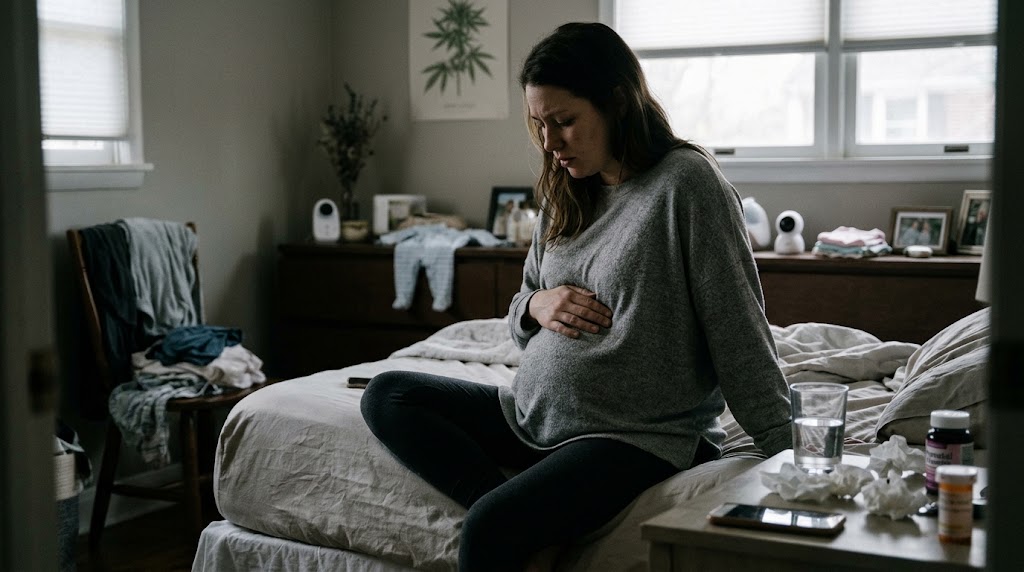
Cannabis use during pregnancy has grown in the United States, often for nausea, anxiety or sleep. Researchers at UC Merced, Michigan State and UCLA looked at women who used it heavily enough to be diagnosed with cannabis use disorder. They analyzed hospital records for more than 2 million deliveries in California from 2016 to 2021, comparing women with cannabis use disorder, women with alcohol use disorder and women with neither. They tracked psychiatric emergency room visits during the year after birth.
One in 10 women diagnosed with cannabis use disorder during pregnancy went on to have a psychiatric emergency room visit in the year after giving birth, compared with fewer than 3 in 100 women without a cannabis or alcohol use disorder. After the researchers accounted for other factors, cannabis use disorder was linked to a 40% higher risk.
Women with alcohol use disorder had the highest rate of all: 15.6% made a psychiatric emergency visit after birth.
“These aren’t just women saying, ‘I feel depressed.’ These are psychiatric symptoms serious enough that they had to go to the emergency room,” said Sidra Goldman-Mellor, a public health professor at UC Merced who led the study.
The second finding is about the trend. Over the six years, cannabis use disorder among pregnant women in California rose by 40%, while alcohol use disorder stayed flat. The study period began as California voters approved recreational cannabis.
“It suggests there is a growing population of women who are using cannabis to a problematic extent when they’re pregnant, and that group is at higher risk of serious psychiatric problems,” Goldman-Mellor said. “Just because it’s legal doesn’t necessarily mean that it’s safe.”
Cannabis use disorder is a medical diagnosis for people who keep using despite harm to their health, relationships or responsibilities. It is different from occasional use, and the study looked only at women with the diagnosis.
The year after birth is already a vulnerable time for mental health, and postpartum depression has been tied to long-term health effects, including higher heart disease risk later in life. How cannabis affects people also varies more than many assume, as a recent UCLA study on sex differences showed.
For women who are pregnant or planning a pregnancy and use cannabis regularly, the researchers urge an honest conversation with a doctor or midwife, and earlier screening and support for substance use and mental health in prenatal care. “Some people think that because it’s an herbal remedy, there are no larger side effects,” said co-author LaMecia De Alba.
There are limits to what this shows. Goldman-Mellor stresses that the study shows a correlation, not cause and effect: women with cannabis use disorder may already have more mental health problems, which could explain both. The records do not show how much cannabis women used, how potent it was, or why they used it, and the results come from California only.
Source
“Prenatal cannabis use disorder and postpartum psychiatric emergency department visits: A retrospective cohort study of trends and associations in California, 2016–2021.” Annals of Epidemiology, 2026.
DOI: 10.1016/j.annepidem.2026.110271