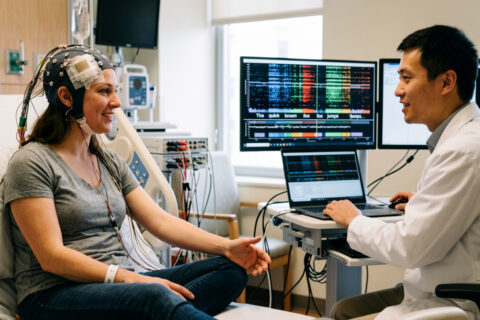
A study of 3.7 million Swedes found that babies born with a rare infection like CMV or rubella were three times more likely to be diagnosed with autism. Some of these infections can be prevented.

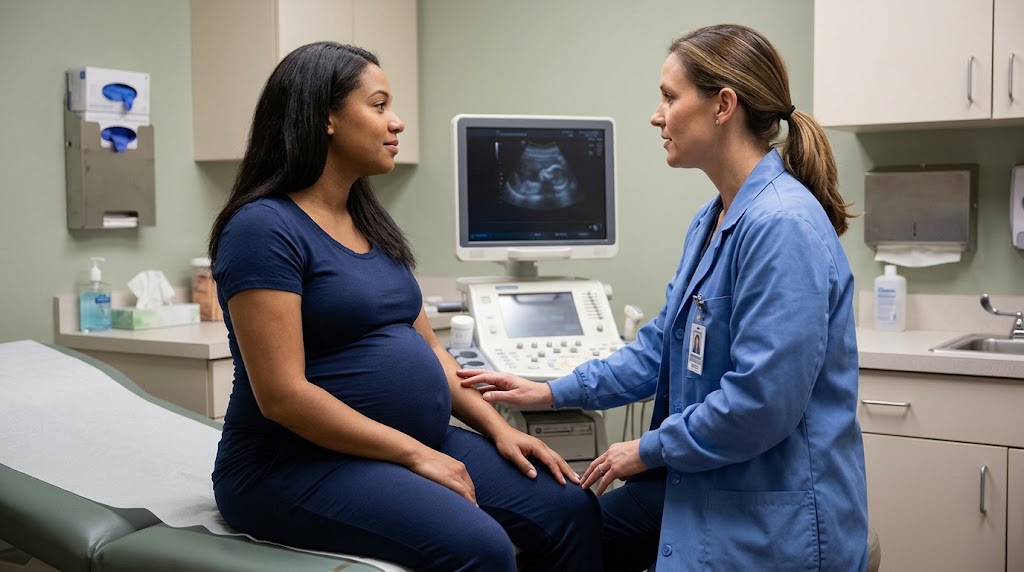
Most infections a pregnant woman catches never reach her baby. A small group can cross the placenta and infect the fetus directly. Doctors call them TORCH infections, an acronym covering toxoplasmosis, syphilis, rubella, cytomegalovirus (CMV), and herpes simplex virus. It has long been known that these infections can cause serious harm at birth. What has been unclear is how far the effects reach into later childhood.
A study published September 21 in JAMA Pediatrics gives one of the most complete answers so far. Researchers at Karolinska Institutet linked Swedish national health, birth, education, and mortality registers covering 3,666,002 people born between 1987 and 2021, and followed them until death, emigration, or the end of 2023. Of those, 975 had a clinically diagnosed congenital TORCH infection.
Children with one of these infections were about three times more likely to be diagnosed with autism and more than seven times more likely to be diagnosed with an intellectual disability. For severe to profound intellectual disability, the risk was up to 30 times higher.
“It has long been known that these infections can cause intellectual disability. However, the link to autism has been less clear in previous research, which has often been based on small patient groups,” said lead author Hugo Sjöqvist, a doctoral student at Karolinska Institutet. “This study is the largest to date in this field and is based on national register data covering almost the entire population of Sweden.”
A large risk in a very small group
The relative risks are high, but the infections are rare. Only 975 of more than 3.6 million people had one. The researchers estimate that congenital TORCH infections explain about 1.2% of severe intellectual disability cases in Sweden and about 0.034% of autism cases. They also estimate that roughly one in five children born with a TORCH infection may later be diagnosed with autism.
Sjöqvist told Newsweek the size of the risks came as a surprise. “It was already known that TORCH infections could be harmful in terms of intellectual disability, but we were surprised by the magnitude of the risks.”
That makes the findings important for affected families and for prenatal care, but they do not explain autism in general. Children with these infections also tended to have lower school grades at age 16, according to Sjöqvist, even when they had no autism or intellectual disability diagnosis.
What can be prevented
The researchers point to prevention steps for several of the infections. Rubella can be prevented by getting the MMR vaccine before pregnancy. Toxoplasmosis risk falls when pregnant women avoid raw or undercooked meat, wash vegetables, and take care when handling cat feces. Syphilis can be caught through screening during pregnancy and treated with antibiotics. For CMV, which has no vaccine, the advice is good hand hygiene and avoiding contact with young children’s saliva and urine.
What the study cannot show
This is an observational registry study. It shows a strong association, not that an infection caused autism in any individual child. The researchers also compared children with their siblings to account for shared family factors. The analysis covers clinically diagnosed infections passed to the fetus, so it says nothing about undiagnosed infections or about common illnesses such as colds during pregnancy.
Because these infections are so uncommon, most pregnancies are unaffected. The practical message from the authors is prevention: vaccination, screening, and everyday hygiene can lower the risk of the infections that are avoidable.
Source
Sjöqvist H, Dalman C, Mataix-Cols D, Gardner RM, Karlsson H. “Congenital TORCH infections and neurodevelopmental outcomes: A population- and sibling-based cohort study.” JAMA Pediatrics, 2026.
DOI: 10.1001/jamapediatrics.2026.4229